- SOMETHINGS
- Posts
- Ding Dong...It's LINK! 🔔💙
Ding Dong...It's LINK! 🔔💙
How Much Screen Time Should Your Teen Really Have?

Grace Bedsole
March 16, 2023

Happy Thursday! We believe it’s a parent's right to worry. But we’re here to help you Worry Smarter, Not Harder. Today we’re answering the question of how much screen time should your teen really have?
Quick Thought From Us
As a parent, it can be challenging to navigate the world of phones, social media, and technology usage with your teen. With screens becoming a more integral part of our daily lives, it's important to understand the potential negative impacts of too much screen time and how to monitor your teen's habits.
Here's what you need to know about screen time limits, the negative impacts of phone light, and how to monitor (and improve!) your teen's tech habits.
Screen Time Limits

There’s no one-size-fits-all approach here - but let’s get into some strong guidelines. The Canadian Pediatric Society suggests limiting children aged 2 to 5 years to no more than one hour of screen time per day. For children aged 6 to 11 years old, the limit is doubled to no more than two hours per day. And for your teens, the recommended limit is no more than four hours per day (realistically they spend way more time on just TikTok!). These guidelines are based on the fact that excessive screen time can negatively impact children's and teens' developing brains, bodies, and social lives.
Additionally, a recent study conducted by the University of Queensland found that excessive screen time can lead to problems with sleep, attention spans, and behavior in children and teens. Given that using electronics promotes a sedentary lifestyle, the study uncovered a direct link to increased risks of obesity. Another study published in the journal JAMA Pediatrics found that children and teens who spend more than two hours per day on screens score lower on language and thinking tests.
While these guidelines can serve as a helpful starting point, it's important to keep in mind that every teen is unique, and the right amount of screen time will depend on a variety of factors. For example, a teen who is struggling with mental health issues or has difficulty focusing may benefit from shorter screen time limits. It's important to be flexible and open to adjusting screen time limits as needed.
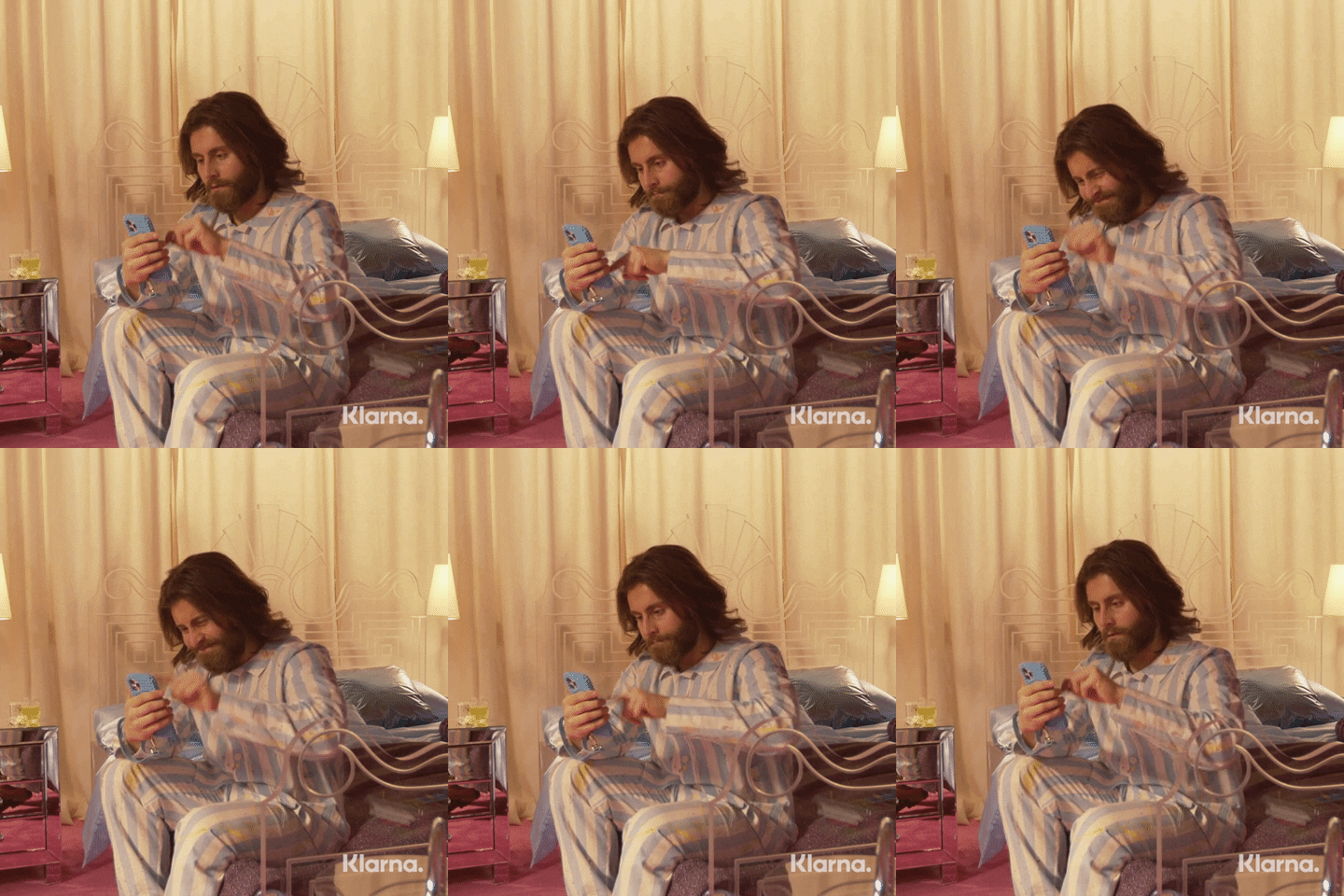
Negative Impacts of Phone Light
One of the most significant negative impacts of excessive screen time is the blue light emitted by screens. Blue light is a type of light that is emitted by electronic devices such as smartphones, tablets, and computers. Blue light has been shown to suppress the production of melatonin, a hormone that regulates sleep. This can make it difficult for teens to fall asleep at night and can lead to daytime fatigue.
Research has also found that exposure to blue light can lead to eye strain, headaches, and other symptoms of digital eye strain. According to a report from the American Optometric Association, prolonged exposure to blue light can also increase the risk of developing macular degeneration, a leading cause of blindness in older adults.
While more research is needed to fully understand the long-term effects of blue light exposure, it's essential to take steps to reduce your teen's exposure to blue light. Some strategies include:
Encouraging your teen to take regular breaks from screens every 20 minutes
Using blue light filters on devices
Limiting screen time directly before bedtime

Monitoring Your Teen's Tech Habits:
In addition to setting screen time limits and reducing blue light exposure, it's essential to monitor your teen's overall tech habits. As mentioned earlier - excessive screen time can lead to poor sleep habits, weight gain, and social isolation. Some strategies for this includes:
Setting no phone times during the day (and mainly after school)
Using parental controls to limit access to certain types of content
Encouraging your teen to pursue other activities such as exercise, reading, or spending time with friends
It's also essential to model healthy behavior yourself. If you are constantly checking your phone or spending excessive amounts of time in front of screens, your teen is likely to follow your lead.
In conclusion, if you are concerned that your teen may be spending too much time on their devices, talk to them about it. Try to understand why they are using their devices so much and see if there are other activities they would be interested in pursuing.
Learning the Landscape - Being a teen in 2023, kinda sucks
The current generation of teenagers have suffered more than any other due to the COVID-19 pandemic and the stressors of the modern digital world. Teenagers face more pressure to succeed than ever before and the combination of social distancing and social media has left teens feeling lonely, stressed, and anxious. In addition, parents are drained and burned out trying to manage the unknown ramifications of their teens' struggles in an unfamiliar digital world. Teens have always turned to their friends and parents to help them get through the hard parts of adolescence. Unfortunately, in 2023, teens have been left to rely only on themselves.
Want to discover new ways to boost your teen’s wellbeing? Sign up for a free parent coaching session with a LINK mentor expert.
Hot Off the Press - Just keepin’ you in the loop
Feeling a little more in tune with your teen? Let us know what else you'd want to learn about :)
Send us feedback, thoughts, and more at [email protected].